
Earth Bound Building: Straw bale Homebuilding in Howard
Did you know how houses constructed from eco-friendly materials can reduce energy costs by up to 50%? That’s one big reason why a growing number of homeowners are turning to green building. Earth Bound Building, located in Howard, is pioneering this movement, delivering forward-thinking and high-efficiency projects.
By using natural materials including straw bales within timber frames, Earth Bound Building creates home addition builders Howard which are not only eco-friendly but also incredibly durable. This approach integrates heritage craftsmanship with current sustainable practices, so that every project meets the strictest standards of sustainability.
Why Earth Bound Building stands out is their hands-on approach and meaningful community involvement. They partner with homeowners to design spaces that match their values and needs. If you’re looking for a eco-conscious way to build, Earth Bound Building is your reliable partner in Howard.
What is Straw-bale Building?
Straw, often seen as waste, is reshaping eco-design. Straw bale construction uses stacking bales inside timber frames to form walls that are both highly insulating and structural. This method uses an agricultural byproduct, thereby being a renewable and low-impact choice.
Straw is derived from grain crops such as wheat, rice, or barley. Rather than burning or discarding it, farmers can sell it for construction. This helps reduce agricultural waste and provides a sustainable material for homes. The method is straightforward, perfect for owner-builders and community projects.
One of the notable features of straw bale walls is their insulation performance. Compared to traditional materials like fiberglass or wood, straw bales offer a higher R-value. That means they hold heat better, resulting in decreased energy costs. Here’s a quick comparison:
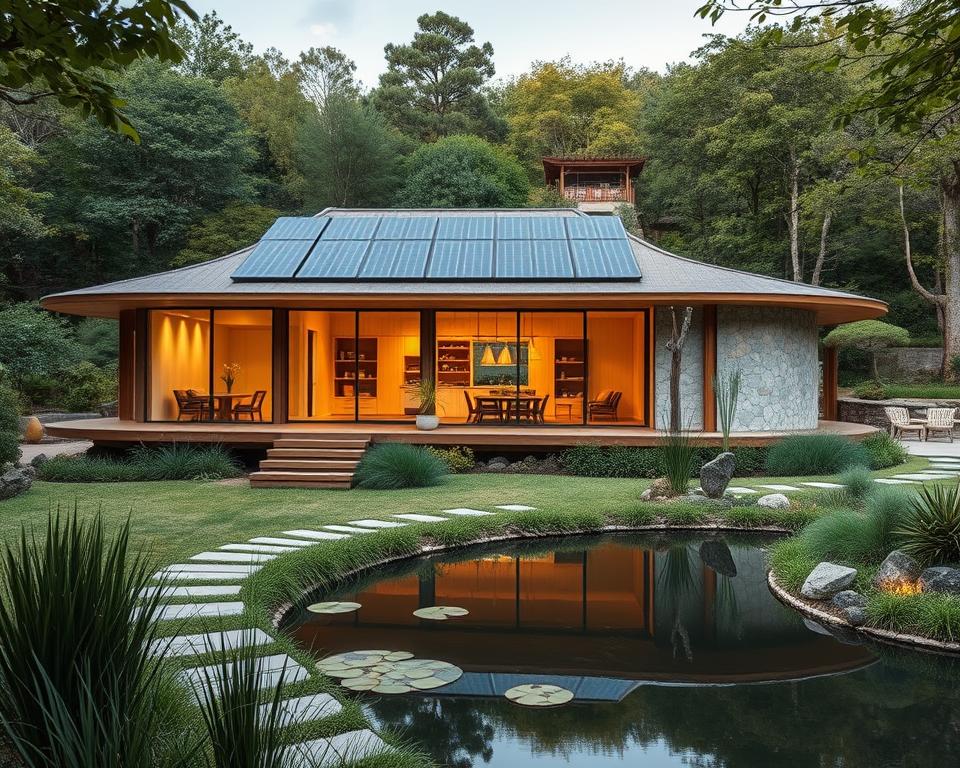
| Material | R-Value per inch |
|---|---|
| Straw Bale | R-2.38 |
| Fiberglass | R-2.20 |
| Wood | R-1.41 |
Another advantage is the use of non-toxic materials. Straw bales are free from harmful chemicals, promoting better indoor air quality. That makes them a sound choice for families and eco-aware homeowners.
In summary, straw bale construction is a sustainable, power-saving, and health-friendly option. It’s a perfect fit for those seeking to reduce their environmental footprint while benefiting from long-term savings.
Why Partner with Earth Bound Building for Your Project?
Choosing the right team for your sustainable project can make all the difference. Earth Bound Building is a top choice in eco-friendly design, providing advanced solutions aligned with your needs. Their approach integrates cutting-edge techniques with a deep respect for the environment.
Commitment to Sustainability
Earth Bound Building places a premium on sustainable practices in every project. They use CO₂-locking straw and low-carbon materials to lower environmental impact. This not only benefits the planet but also ensures long-term savings for homeowners.
Their collaborations with regional farmers secure ethically sourced materials. By strengthening local agriculture, they contribute to a circular economy. This commitment to sustainability sets them apart in the industry.
Local Expertise in Howard
With longstanding ties in Howard, Earth Bound Building is familiar with the unique needs of the area. They are familiar with local climate conditions, permitting processes, and supply chains. This expertise delivers smooth project execution and compliance with regulations.
Their custom designs reflect Howard’s aesthetic preferences while satisfying strict building codes. Whether it’s a residential or commercial project, they deliver results that fit into the local environment.
| Aspect | Earth Bound Building | Typical Approaches |
|---|---|---|
| Material Sourcing | Local, ethically sourced straw | Imported, high-embodied energy materials |
| Thermal Performance | High R-value insulation | Standard insulation |
| Carbon Footprint | Low carbon footprint | Higher emissions |
Earth Bound Building’s commitment to sustainability and local expertise makes them a natural fit for your next project. Their innovative practices and locally engaged approach provide a seamless and eco-friendly experience.
The Advantages of Straw bale Building Howard
Sustainable architecture is growing rapidly for its ability to unite innovation with environmental responsibility. One of the most attractive methods in this field is the use of straw bales. This approach offers a range of benefits, from energy efficiency to eco-friendliness, making it an attractive option for modern homeowners.
Energy Efficiency and Cost Savings
Straw bale walls offer exceptional insulation, outperforming traditional materials like fiberglass. With an R-value of 2.38 per inch, they stabilize indoor temperatures, lowering the need for heating and cooling. This can lead to energy savings of 50%–75%.
Over time, these savings can offset the initial construction costs. Homeowners enjoy lower energy bills while advancing a greener planet. Here’s how straw bales compare to other materials:
| Material Type | Thermal R-Value/inch |
|---|---|
| Strawbale | R-2.38 |
| Fiberglass | R-2.20 |
| Wood | R-1.41 |
Eco-Friendly and Renewable
Straw is a regenerative resource that returns each season, unlike timber, which needs many years to mature. Using straw in construction cuts down on agricultural waste and promotes a circular economy. It also traps CO₂ in the walls, contributing to fighting climate change.
Additionally, straw bale walls are non-toxic, enhancing indoor air quality. They are also resistant to fire, with plastered walls meeting and surpassing 2-hour fire ratings. This makes them a dependable and sustainable choice for any project.
By choosing straw bale construction, you’re building more than a house—you’re committing to a cleaner, more sustainable future.
How Strawbale Homes Are Constructed
There are multiple ways to build sustainable homes using straw bales. Each method offers unique benefits, from structural support to streamlined installation. Understanding these methods can help you choose the best approach for your project.
Nebraska Style vs. In-Fill Wall Systems
The Nebraska Style is a traditional method where bale walls serve as the primary structural support. This approach is well-suited for smaller homes and prioritizes simplicity. The bales are stacked directly on the foundation, eliminating the need for additional posts or frames.
In contrast, In-Fill Wall Systems use timber frames to take the structural load. The bales are fitted within these frames, enabling faster roof installation and greater design flexibility. This method is preferred for larger projects where customization is key.
Prefabricated Straw Wall Panels
Prefabricated panels are a modern innovation in straw bale construction. These factory-built panel sections reduce on-site labor and minimize weather-related risks. They are designed for quick assembly, making them a practical choice for time-sensitive projects.
Below is a comparison of the three methods:
| Approach | Highlights | Ideal For |
|---|---|---|
| Nebraska Style | Load-bearing bales, simple method | Small homes |
| In-Fill Systems | Timber frames, design flexibility | Larger projects |
| Prefabricated Panels | Factory-built, reduced on-site work | Quick installations |
Each method has its strengths, and the choice hinges on your project’s needs. Whether you lean toward traditional techniques or modern innovations, straw bale construction offers a responsible and efficient solution.
Common Myths About Strawbale Construction
Many people have misconceptions about sustainable materials like straw. These myths often discourage homeowners from exploring eco-friendly options. Let’s clear up some of the most common concerns.
Fire Resistance and Safety
One of the biggest myths is that straw is a fire hazard. In reality, compressed bales do not have the oxygen needed to burn. Lab tests indicate that plastered straw walls can withstand 2+ hours of fire exposure. This exceeds the fire resistance of many traditional materials like wood.
Plaster acts as a protective barrier, sealing the bales and inhibiting ignition. This renders straw-based structures very safe. Below is a quick comparison:
| Material | Fire Resistance |
|---|---|
| Plastered Straw | 2+ hours |
| Wood | 1 hour |
Pest and Moisture Management
Another concern is pests. Straw has no nutritional value, making it unattractive to rodents and insects. When finished with plaster, it becomes very hard for pests to penetrate. This removes one of the most common problems homeowners worry about.
Moisture is also addressable with proper design. Elevated foundations, wide eaves, and vapor-permeable finishes such as vapor-permeable stucco help prevent rot. Modern techniques ensure these dwellings remain durable for decades.
See how straw performs versus traditional materials in moisture control:
| Assembly | Moisture Control |
|---|---|
| Straw with Proper Design | High |
| Wood without Treatment | Low |
By countering these myths, it’s clear that straw-based structures are a secure, sustainable, and long-lasting choice for modern homes.
Is a Strawbale Home Right for You?
Designing a home that’s both appealing and green is easier than you think. With unique features like recessed window niches and curved designs, eco-friendly homes provide endless possibilities. Here’s why this is the perfect choice for you.
Customization and Aesthetic Appeal
One of the standout features of these homes is their design flexibility. You can create sculptural walls, arched doorways, and built-in shelving to suit your style. The thick walls also provide great acoustic privacy, keeping interiors tranquil.
Rustic plaster finishes lend a unique charm, merging modern aesthetics with natural elements. Whether you’re an artist or an eco-conscious family, these homes can be customized to express your personality and needs.
Long-Term Benefits and Sustainability
Choosing a sustainable home isn’t just about the environment—it’s also a smart financial decision. These homes have lower upkeep over time, thanks to their energy efficiency. With decreased heating and cooling bills, you’ll see significant savings on utilities.
Additionally, green homes may be eligible for tax incentives and tend toward higher property values. Below is a quick comparison of lifecycle costs:
| Cost Area | Straw Bale Homes | Traditional Homes |
|---|---|---|
| Utilities | Lower | Higher |
| Maintenance | Minimal | Regular |
| Resale Value | Higher | Standard |
Earth Bound Building’s consultation process makes sure your goals align with your budget. Whether you’re planning an off-grid retreat or a family home, they’ll support you every step of the way.
As a Final Point
Embracing eco-friendly living begins with the right materials and the right team. Straw bale homes deliver unmatched benefits, from energy efficiency to resilience. They reduce costs while benefiting the environment, making them a savvy choice for modern homeowners.
Earth Bound Building sets the standard for eco-friendly construction in Howard. Their expertise delivers every project meets the highest standards of quality and sustainability. Become part of the growing community of homeowners who’ve embraced this innovative approach.
Eager to begin? Contact Earth Bound Building for a tailored consultation. Attend their workshops or walk through completed projects to see the benefits firsthand. Building with bale not only crafts a home but also supports regenerative agriculture and local economies.